Renting vs Buying in Panama 🇵🇦 What Expats Need to Know Before Deciding
When I first came to Panama, I was seduced by the idea of being able to afford a brand new completed condominium with a stunning ocean view. Compared to prices for in the US for expansive ocean views, it felt like everything in Panama was a bargain and I thought, ‘I should buy now before it’s gone.’ And when you have a real estate broker telling you that prices are going up, this is the time to buy, the project will sell out - you can either see through the sales tactics or you’re exactly the fresh-off-the-boat kind of immigrant sales people rely on.
That was me. I figured I had to live somewhere, why not live in a brand new condo with dreamy ocean views. The broker showed me the brochure with pictures of the tropical cabanas by one of the pools, lush tropical landscaping and resort-style social areas. In fact, he set me up to stay in a rather bare-bones newly completed unit for a cash payment directly to him - told me he’d worked out a discounted rate with the owner. There were no curtains or roller shades on the windows, barely any furnishings, the floor was dirty and the internet did not work - but I was focused on the shimmering sand, swaying palm trees and sorbet sunsets, not the current realities.
When I look back seven years to when I first landed in Panama, I would certainly approach things very differently. And while I’m very happy with where I decided to eventually buy a house, if that condo deal had gone through, I know I would not be as happy. I came to realize I needed a cooler climate and a garden.
I put this article together to help you keep a level head and look at the pros and cons of renting vs buying. And if you’re ruminating over whether expat life is for you, consider my 90 minute Expat Clarity Session.
🥰 THE SEDUCTION (Why people rush to buy)
Meeting Panama is exactly the same as when you met a new love, felt a spark of connection and threw caution to the wind to pursue a new passion.
I’m sure you’ve heard of the neurochemical, dopamine, right? And you know that when you’re in a new environment, on vacation, dating someone new, that chemical is activated and makes these experiences feel exciting! Colors are more vibrant, tastes and sounds are heightened, you have a sense of optimism and feel energized, excited to see what the day will bring.
Well, if we’re not self-aware about the feel-good chemical influencing our decisions, we can end up making impulsive and even irrational choices. I speak from experience - not just limited to Panama!
The reason that we may not pay attention to warnings like, ‘rent before you buy’, ‘live in Panama for at lease a year before buying’, ‘it’s easy to buy and can take years to sell’ - is that our brain is focused on the opportunity, not the downsides. The risks don’t feel real to us in that moment.
Add into that the scarcity and urgency sales tactics a real estate broker might use, and your brain will kick into loss aversion mode! This means you have an irrational response to act now, don’t delay, buy the property you’ve only seen once for 20 minutes or it might be gone tomorrow!
You’re also actively imagining your new identity shift in this new tropical country and that image can get attached to a piece of real estate. Why do you think so many sales people start by asking you to, ‘Imagine yourself sipping coffee in your tropical backyard where toucans greet you every morning.’
You’re still feeling the arrival euphoria and now you’re going to have coffee with toucans! Wow! Take my deposit, now, please. And of course you’re thinking you got a steal of a deal because in the US, you could never imagine paying so little for something with that much land or on the beach.
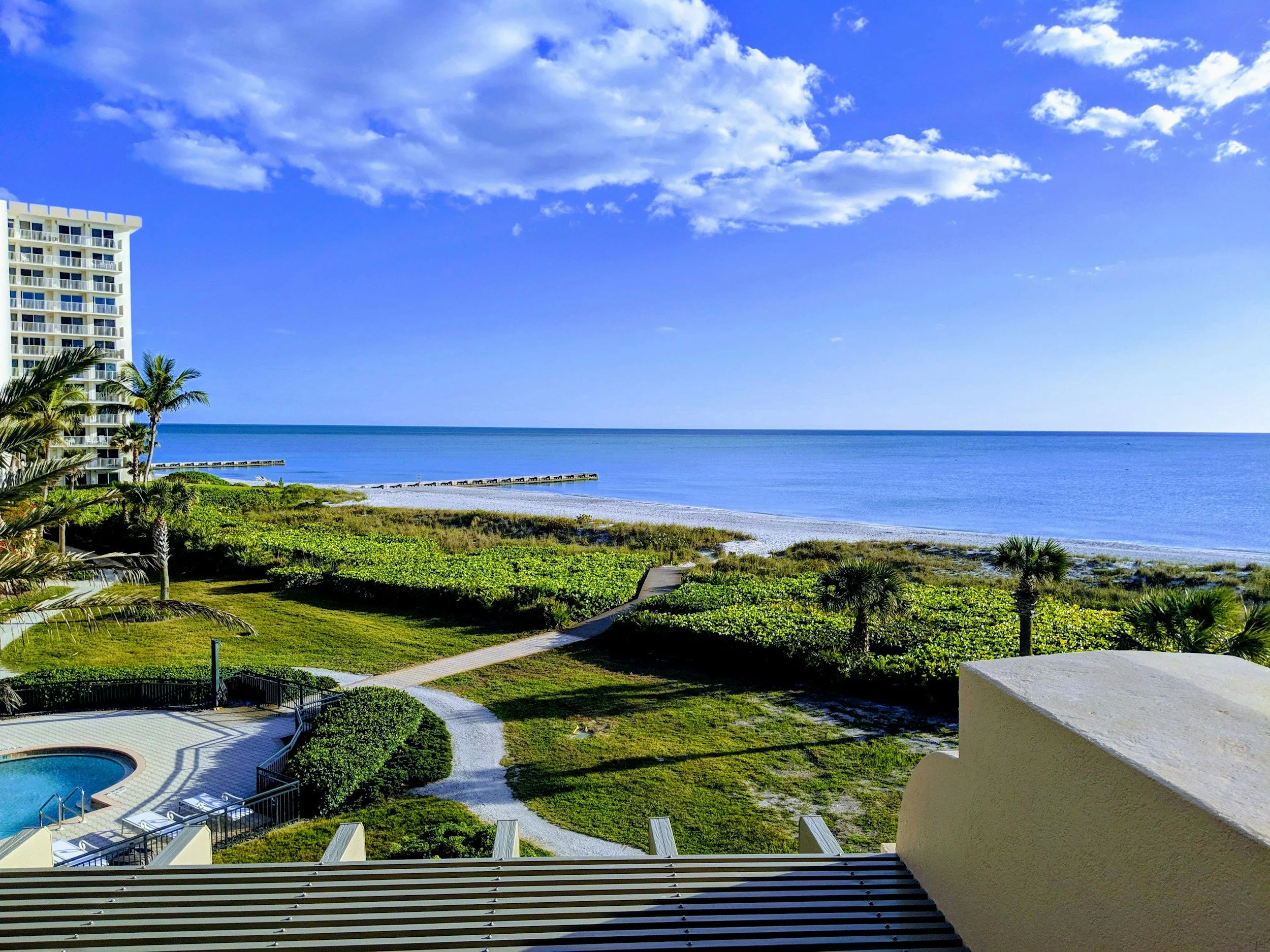
That’s partly how I ended up rushing to buy a condo in Nueva Gorgona. It was under $200k, with a beautiful beach to walk every morning. The condo was brand new and had 2 pools to choose from for afternoon swims. Was I imagining myself living there? Yes, of course!
But only through time and my own personal experience of living in Coronado after the sale didn’t go through (my money didn’t come in time) did I realize that I could not take the heat at the beach.
The broker had told me the units in the building were selling out, that I should act fast. Seven years later, there are still empty units available for sale and the prices have largely stayed the same.
This article may contain affiliate links. If you choose to work with a service I recommend, I may earn a small commission at no extra cost to you.
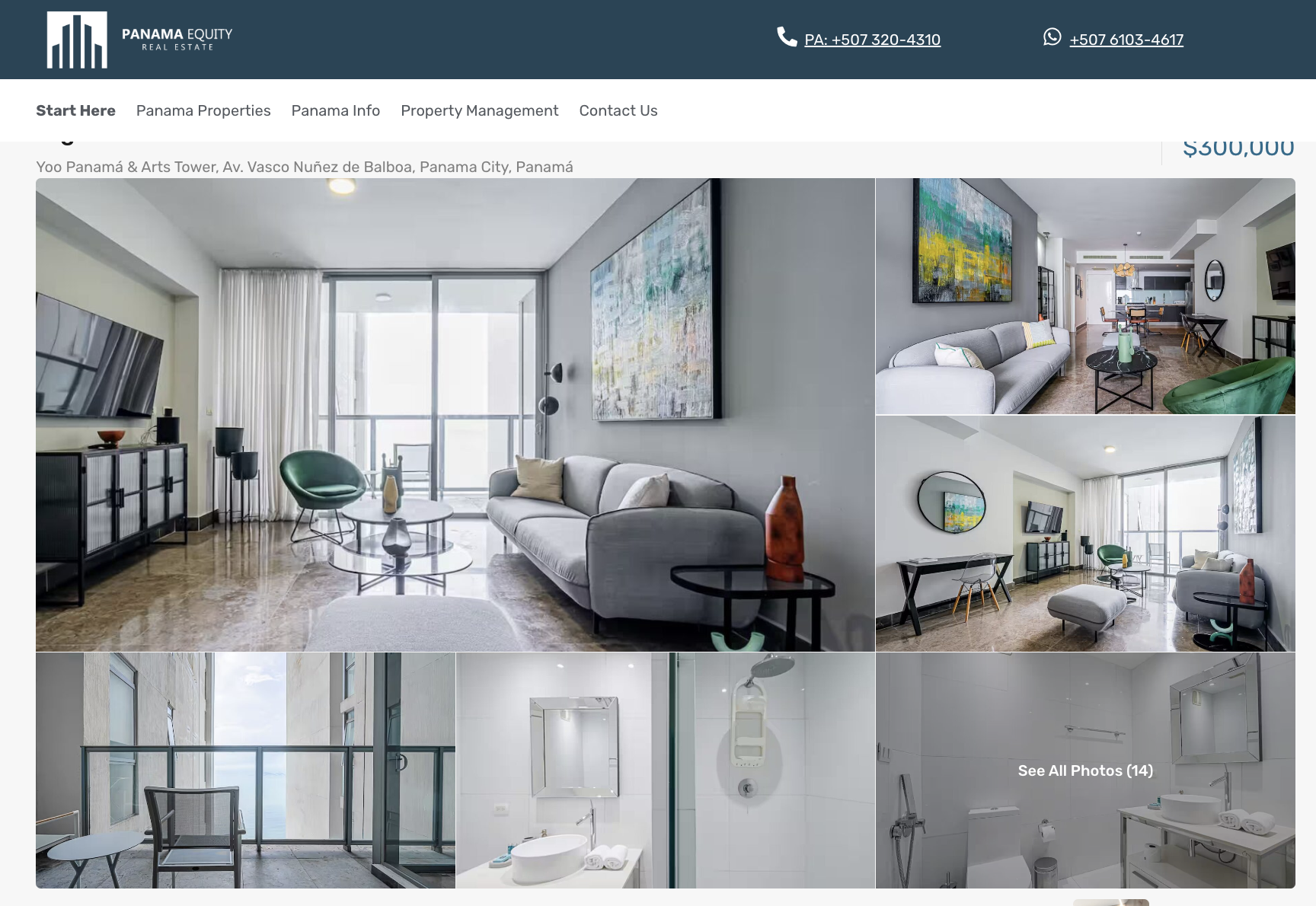
PANAMA EQUITY REAL ESTATE
MARKET REPORTS / LISTINGS / DOWNLOAD GUIDES
🏡 PANAMA REAL ESTATE MARKET REALITY
Real estate in Panama can feel refreshingly accessible at first glance, but the reality beneath the surface is more nuanced, especially for foreign buyers. Prices, particularly in beach and rural areas, are often significantly lower than in major U.S. cities, which creates a sense of urgency and opportunity. But unlike the fast-moving markets many buyers are used to, Panama operates on a much slower timeline.
And in terms of condos and resort-style living whether in the city or beach areas, just when the market might shift to a seller’s market, the developers build more. The newer, shinier, fancier projects get the attention and the resale market can stagnate.
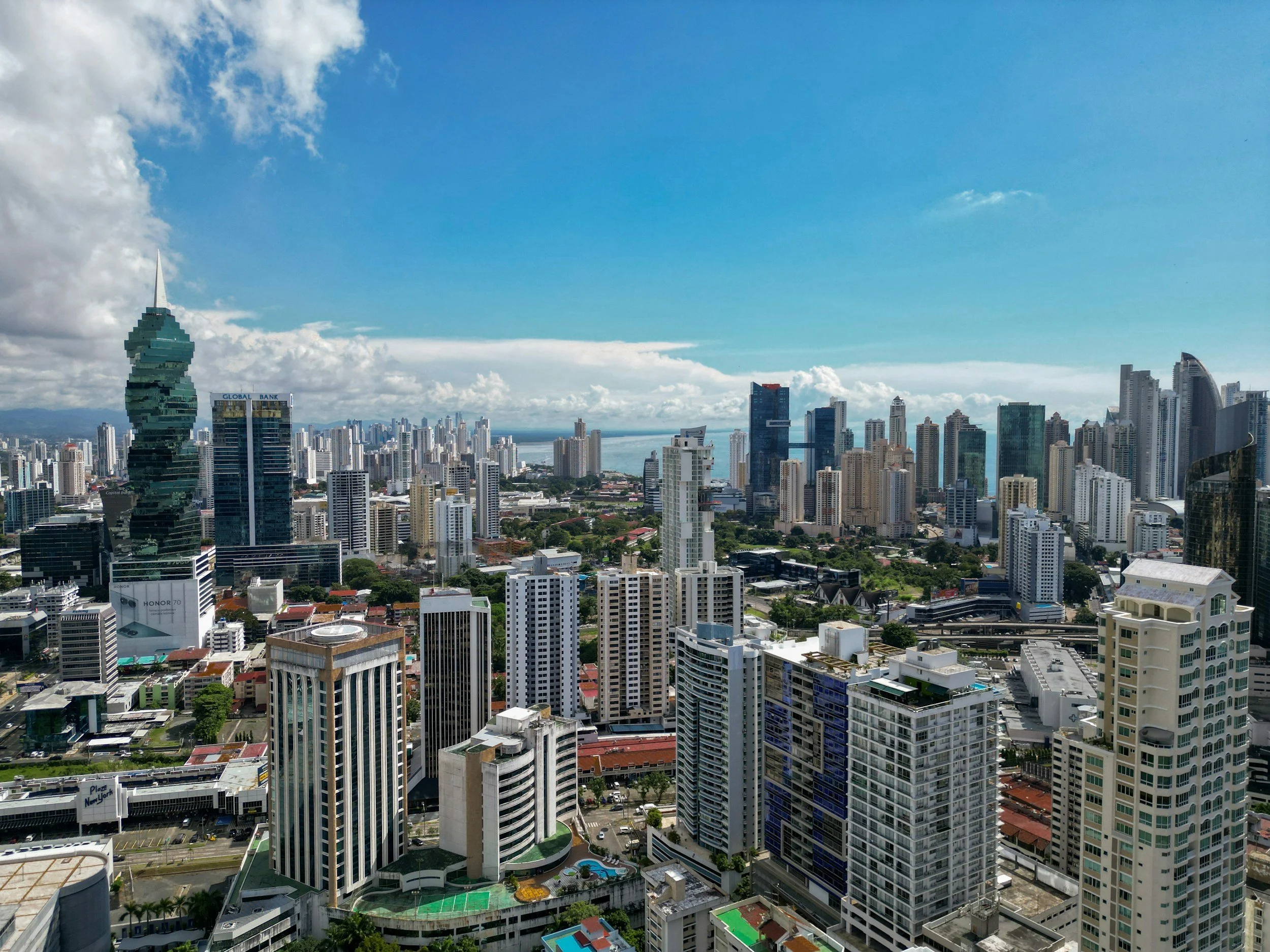
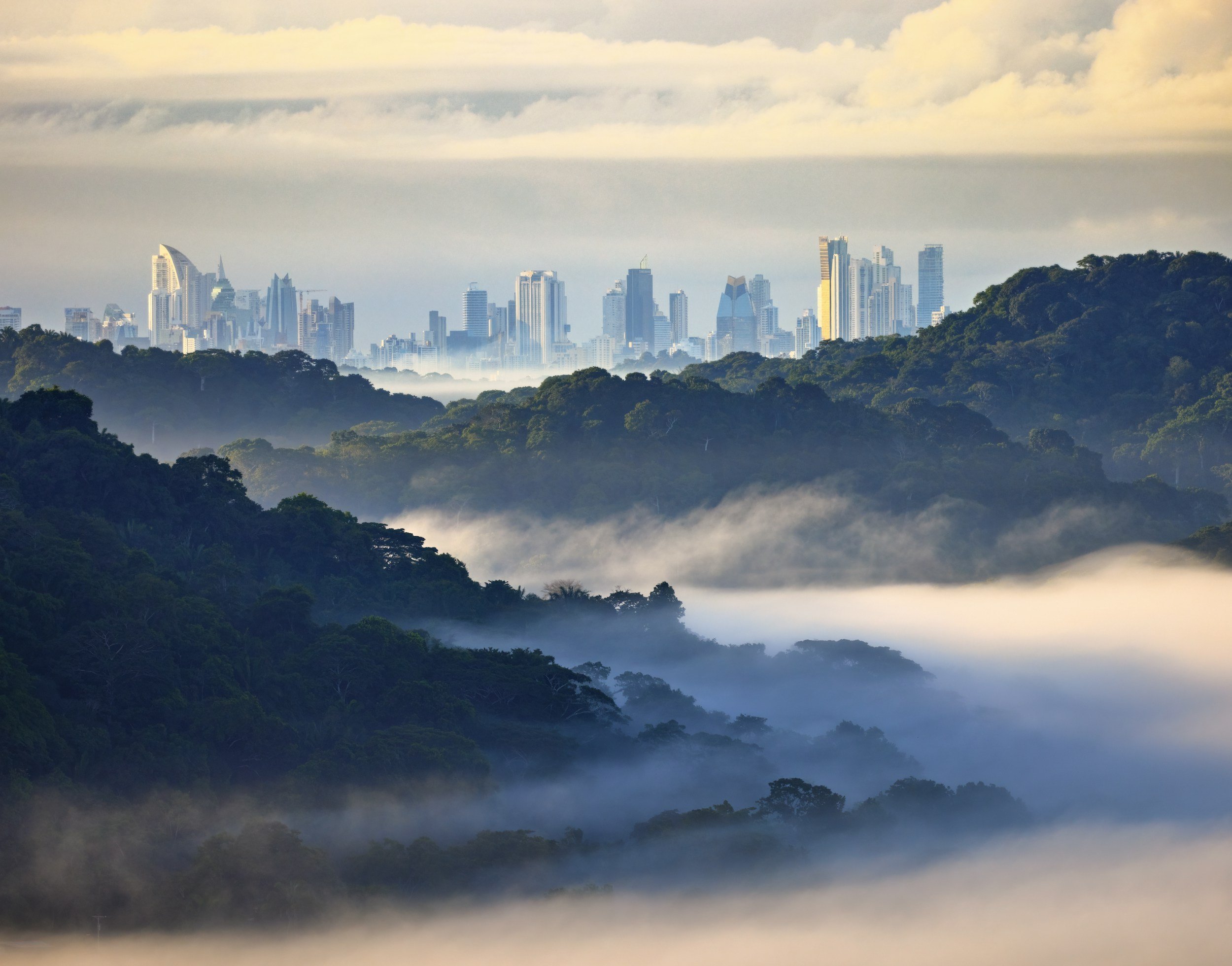
The market also varies dramatically depending on location. In Panama City, you’ll find a more structured, urban market with higher inventory turnover, modern condos, and a larger pool of both local and international buyers. In expat-heavy areas like Boquete, Playa Venao and Coronado, there’s a mix of brokered sales and direct from an owner to a buyer. In the countryside, they tend to operate in smaller, relationship-driven ecosystems. Listings may not be centralized, and properties are often marketed through word-of-mouth, Facebook groups, or individual agents rather than a formal system.
And where I live, in El Valle, the market can be even more informal, with fewer listings available online and transactions relying heavily on local connections and negotiation.
One of the biggest differences from the U.S. is the lack of a comprehensive MLS (Multiple Listing Service) system. Only a fraction of brokers use the MLS here, known as ACOBIR. There is no single, reliable database of all available properties, which means buyers often see fragmented, outdated, or duplicated listings across different websites and agents. This makes it harder to assess true market value and easy to overpay if you’re not well-informed. It also reinforces the importance of relationships, who you know can significantly influence what opportunities you see. I’ve personally experienced real estate marketers only showing me the listings they will earn a commission on and completely ignore other available properties that would have better fit my criteria.
Financing is another major consideration. While it’s relatively easy for foreigners to purchase property in Panama, obtaining a mortgage is much more difficult. Local banks typically require substantial documentation, higher down payments, and often prefer local income sources. As a result, many foreign buyers purchase with cash. While this simplifies the buying process, it also means a significant amount of capital can become tied up in a relatively illiquid asset.
Properties can sit for years without selling, and liquidity is not guaranteed. If you tie up a large portion of your cash in a property, you need to be comfortable with the possibility that it may take a long time to exit that investment.
Ultimately, buying real estate in Panama is less about quick transactions and more about lifestyle alignment and long-term perspective. It can be a wonderful place to own property if you plan to use and enjoy it and in some cases for portfolio investors, but it’s not a market to enter lightly or with expectations of quick resale or easy leverage.
🤔 THE REALITY OF BUYING IN PANAMA (And When It Actually Makes Sense)
The buying process itself can feel surprisingly simple: fewer restrictions for foreigners, relatively low transaction barriers, and a wide range of properties available at appealing prices. But what often isn’t fully appreciated at the time of purchase is the exit strategy. The resale market can be slow, demand can be inconsistent depending on the area, and without a centralized listing system, getting visibility for your property can take time and effort. What feels like a quick and exciting purchase can turn into a long-term holding, whether that was your original intention or not.
For most people, renting first is the smarter move. It gives you the opportunity to truly learn the area, not just during a short visit, but over weeks or months. Panama’s regions can differ dramatically in climate, infrastructure, accessibility, and day-to-day lifestyle. What feels like paradise on a one-week trip can feel very different when you’re dealing with rainy season, internet reliability, road conditions, or proximity to services. Renting allows you to experience the rhythms of a place before committing financially.
It also helps you better understand your own lifestyle preferences. Do you want walkability or seclusion? Cooler mountain air or coastal heat? A social expat community or a more local, immersive experience? These are not always easy to answer until you’ve lived it. Renting gives you flexibility to adjust, move, and refine your preferences without the pressure of having already invested a large sum of money.
At the same time, it’s important to keep the bigger picture balanced. For some, buying property can support the visa requirements for the Friendly Nations, Qualified Investor or Self-Solvency residency.
In these cases, I highly recommend working with an experienced local broker in the area where you’re considering planting roots. A good broker in Panama isn’t just opening doors, they’re helping you see what you wouldn’t know to look for.
Environmental & Property Conditions
Microclimates (rainfall differences even within short distances)
Flood zones and drainage patterns
Soil stability / landslide risk (especially in mountain areas)
Prevailing winds (impact on comfort, outdoor living, wear on structures)
Humidity levels and mold potential
Sun exposure / heat retention on the property
Infrastructure & Utilities
Power reliability (frequency and duration of outages)
Water supply consistency, pressure and purity
Internet reliability and available providers (critical for remote work)
Cell signal strength
Backup systems commonly used (water tanks, generators, Starlink)
Access & Practical Living
Road conditions (paved vs dirt, seasonal access issues)
Distance to essential services (grocery, hospital, pharmacy)
Ease of access during rainy season
Parking availability and property access logistics
Public transportation availability (if relevant)
Noise & Quality of Life
Nearby bars, restaurants, or weekend party areas
Holiday/event noise patterns (big one in Panama)
Roosters, dogs, and general neighborhood noise
Construction noise (current and planned)
Burning debris / trash burning in the area
Neighborhood & Community
Mix of expats vs locals (and what that feels like day-to-day)
Seasonal population changes (quiet vs high season influx)
HOA presence (or lack of it)
Community dynamics and neighbor proximity
Short-term rental activity nearby
Safety & Security
General crime patterns (petty theft vs more serious concerns)
Need for security features (window bars, gates, cameras, dogs)
Lighting and visibility at night
Reputation of the neighborhood locally and response time of police
Development & Future Risk
Planned developments nearby (good or bad)
Zoning changes or lack of zoning enforcement
Potential for construction next door
Land use around the property (agriculture, commercial, etc.)
Risk of views being blocked in the future
Financial & Market Realities
True market value vs listing price
How long similar properties take to sell
Rental potential vs reality
Property taxes and exemptions
Maintenance costs in tropical environments
Legal & Ownership Considerations
Clear title and property boundaries
Survey accuracy (very important in Panama)
Easements or access rights
Water rights (in some areas)
Permits and legality of existing structures
Lifestyle Fit
What daily life actually feels like there
Who typically thrives in that area
What people tend to love vs regret
Whether it fits the buyer’s long-term goals
For many newcomers, taking the time to rent first reduces risk, prevents costly surprises, and leads to more confident, informed decisions when, and if, you decide to buy.
🏠 BUYING AS AN INVESTMENT (Reality Check)
Property management in Panama is one of those areas where expectations and reality often don’t align, especially for buyers who assume their property will easily generate income, as may have been promised by a broker or developer. On paper, it can look straightforward: buy a property, rent it out, and let it cover itself or even turn a profit. In practice, the outcome is often much more modest.
Panama City tends to offer the most consistent rental opportunity, particularly for international workers, business travelers, and longer-term tenants tied to multinational companies. Occupancy can be steadier, and there’s a broader pool of renters. But even there, competition is high, buildings age at different rates, and not every unit performs equally well. Outside the city, especially in beach areas, rental income is far more seasonal. You may have a strong 4–5 month high season, but the rest of the year can be quiet, with limited bookings and inconsistent cash flow.
This is where the gap between expectation and reality becomes clear. Many buyers go in thinking they’ll generate meaningful income, when in fact the more realistic outcome is simply offsetting expenses, covering utilities, HOA fees, maintenance, and perhaps part of the initial investment over time. Property management itself also comes with costs, whether through a formal manager or the informal network of cleaners, handymen, and on-the-ground help that you’ll inevitably rely on. Managing remotely adds another layer of complexity, and things rarely run as passively as people hope.
For many, the goal isn’t profit, it’s about offsetting costs.
If you want to use your property for a few months or weeks during the year and rent it out during high-season, that’s a great plan to get use enjoyment while covering some expenses of owning the property.
Be mindful of the interesting dynamic in the market. Most relocation experts recommend renting before buying, while many real estate brokers will encourage buyers to move quickly, highlighting rising prices, limited inventory, and “opportunities” that may not last. Both perspectives have some truth, but they serve very different timelines and incentives.
Ultimately, the decision isn’t just financial, it’s about timing, lifestyle, and how well you understand the environment you’re stepping into.
⚠️ WHAT YOU DON’T KNOW UNTIL YOU LIVE THERE
One of the biggest gaps between visiting Panama and actually living here comes down to the day-to-day realities that simply don’t show up during a property tour.
These are things you simply don’t know from two property visits.
A house can look perfect on a sunny afternoon, but what matters more is what happens on a Saturday night, during a heavy rain, or in the middle of dry season when infrastructure is under pressure.
Neighborhood Realities
This is where many buyers get caught off guard.
In some areas, especially beach towns or mixed local/expat communities, you may have:
Weekend party houses that are quiet during showings but come alive with loud music late into the night
Fireworks, often used for celebrations, holidays, or sometimes for no obvious reason at all
Roosters, dogs, and general neighborhood noise that isn’t immediately apparent during a short visit
Burning trash or yard debris, which can create smoke and odor depending on wind direction
These aren’t necessarily deal-breakers, but they are lifestyle factors. And they can vary block by block.
Infrastructure Realities
Infrastructure in Panama can be inconsistent, and it often depends heavily on the specific location.
You may encounter:
Water outages or reduced pressure, sometimes for weeks at a time
Power outages, particularly during storms or in less developed areas
Internet variability, which can be critical if you work remotely
Road conditions that change seasonally, what’s accessible in dry season can become difficult during heavy rains
The classic “paving is coming soon” situation… that can remain “soon” for years
Flooding is another important consideration. Some areas handle drainage well, while others can accumulate water quickly during heavy rains. This isn’t always obvious unless you’ve experienced a full rainy season.
Why This Matters
None of these things are typically disclosed in a listing. And even a well-meaning broker may not emphasize them unless you know to ask.
More importantly, you won’t experience them during a few daytime showings. That’s why renting first gives you a completely different level of insight.
You start to notice:
how loud it gets at night
how often utilities fluctuate
how the roads feel after a storm
what daily life actually looks and feels like
Because ultimately, buying property isn’t just about the house, it’s about everything around it.
And that’s the part you only really understand once you’ve lived there.
TYPES OF PROPERTIES (Practical Decisions)
Condo vs House
Choosing between a condo and a house in Panama comes down to how much responsibility you want to take on versus how much convenience you’re looking for.
Maintenance
Condos typically include exterior maintenance, landscaping, and shared areas in the HOA
Houses require you to manage everything yourself, from roof repairs to garden upkeep
Tropical environments accelerate wear, humidity, mold, insects, and sun exposure all require ongoing attention
Houses often come with more unexpected maintenance costs over time
HOA (Homeowners Association)
Condos almost always have HOA fees, which can vary widely depending on amenities and building age
HOAs may include security, pool maintenance, elevators, and common area upkeep
In many cases, HOAs can require special assessments for major repairs
Houses may or may not have HOA fees, depending on whether they are in a development
Control vs Convenience
Condos offer convenience, less day-to-day responsibility, easier lock-and-leave lifestyle
Houses offer control, you decide how the property is maintained, modified, or used
Condos may have rules on rentals, pets, renovations, and usage (STR)
Houses provide more flexibility but require more involvement and oversight
Gated vs Non-Gated
This decision is often influenced by perceptions of safety, but the reality is more nuanced.
Security: Perception vs Reality
Gated communities can provide a sense of security, with guards, controlled access, and sometimes surveillance
However, gated does not always mean safer, security quality varies widely
Non-gated neighborhoods can be perfectly safe, especially in established communities with local presence
Personal security measures (window bars, locks, lighting, cameras, dogs) are often just as important as location
Community vs Independence
Gated communities often have a stronger sense of structure and shared standards
You may have closer interaction with neighbors and a more defined community environment
Non-gated living can feel more independent and integrated into local life
Less regulation outside gated areas means more freedom, but also less consistency in surroundings
These choices are less about right or wrong and more about alignment with how you want to live day-to-day in Panama.
LOCATION MATTERS
City (Panama City, David, Santiago)
Panama City offers the most familiar and functional environment for many expats, especially those prioritizing convenience and access.
Convenience
Wide range of grocery stores, restaurants, and services
Walkable areas in certain neighborhoods
Easy access to airports and business hubs
International schools for families with children
Healthcare Access
Close proximity to private hospitals and specialists
More options for diagnostics, emergencies, and ongoing care
Shorter response times in urgent situations
Infrastructure
Typically more reliable power, water, and internet
Usually better road conditions and transportation options
Greater availability of modern buildings and amenities
Beach
Beach areas are often what initially attract buyers, lower prices, ocean views, and a relaxed lifestyle.
Seductive Pricing
Properties can appear significantly more affordable than comparable coastal areas in the U.S.
Larger homes or beachfront access at a fraction of expected cost creates urgency and emotional decision-making
Infrastructure Trade-Offs
Limited healthcare access, serious issues require travel to a large city
Fewer services, especially outside of high season
Internet and utilities can be inconsistent
Seasonal economies, busy for a few months, quiet in rainy season
Greater reliance on a car and planning ahead
Mountain / Rural
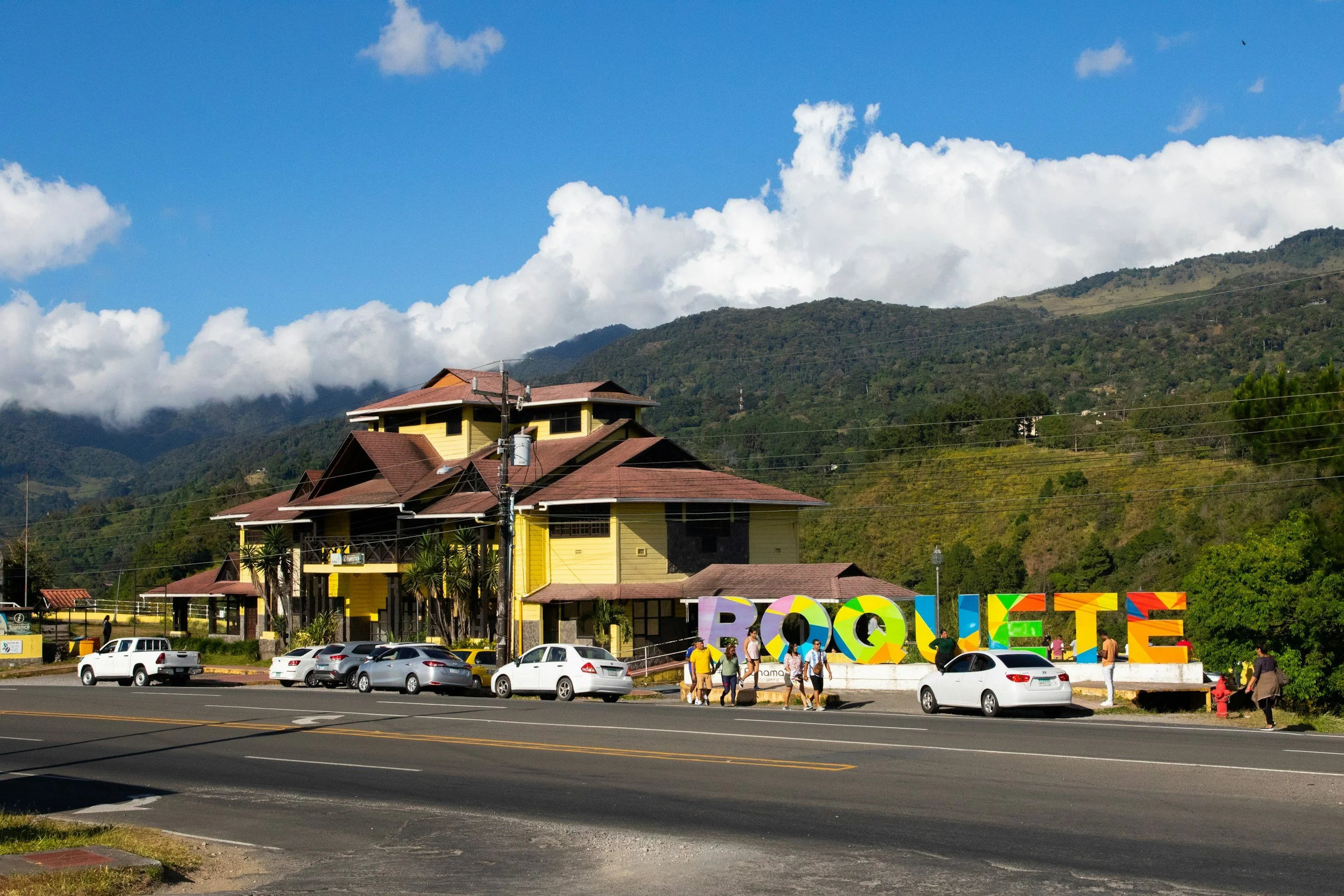
Mountain areas like El Valle or Boquete offer a completely different lifestyle, cooler, quieter, and more nature-focused. And areas like Cerro Azul, Altos del Maria and Santa Fe are sleepy mountain communities for the ‘get away from it all’ types.
Lifestyle
Cooler temperatures and lush surroundings
Slower pace of life, often more peaceful and less commercial (Boquete exception)
Strong appeal for those seeking retreat, reflection, or a nature-based lifestyle
Trade-Offs
Distance from grocery stores, restaurants, major hospitals and specialized care
Limited infrastructure depending on the exact location
Road access and conditions can vary, especially in rainy season
Fewer immediate conveniences compared to city living
Possible isolation/loneliness
The Bigger Picture
Each of these environments offers something valuable, but also requires trade-offs.
What often gets overlooked, especially in the excitement of buying, is how these trade-offs feel over time. Convenience, access to healthcare, and infrastructure may not seem urgent in the moment as I’ve learned after having my own health emergency and subsequent surgery, but they tend to matter more as you settle in and especially as you get older.
A location that feels ideal for a vacation or short-term stay may not align as well with long-term needs. That doesn’t mean one choice is better than another, it means the right choice depends on how you realistically plan to live, not just where you feel most inspired in the moment.
RENTING RISKS
Renting in Panama is often presented as simple and flexible, and in many ways, it is. But there are real risks that aren’t always obvious until you’re in the middle of them.
In El Valle, for example, there was a recent situation where 10 senior tenants were given as little as two weeks’ notice to leave. Not because they did anything wrong, but because the property manager never notified the tenants even though the building owner gave the manager the legally required 3 months notice.
Lease terms matter, but enforcement can be inconsistent, and practical outcomes don’t always align with expectations. Even if something is written in a lease, resolving disputes can be time-consuming, unclear, or simply not worth pursuing, especially if you’re new to the country and it may involve attorney and interpreter fees.
If you are signing a long-term lease, it is worth having a local lawyer review it.
That small step can help clarify:
Your notice period
Is the property for sale and what happens if the property is sold
Your rights versus what is simply assumed
What exactly is included in the rent. Don’t assume internet, trash collection and the gardener are included (electricity, if it’s a shared meter is your usage capped, how is that determined)
What will the landlord fix and what are you responsible for?
How many pets are allowed on the property? Will the owner enforce leash requirements, barking control.
Never ever rent something you have not seen in person.
Is there hot water in the whole house? Is the property set up for Internet? Some aren’t as I learned when I was looking at renting a house in Volcan.
First month’s rent and security deposit is all that’s legally required in Panama. No last month’s rent.
The tenant does not pay HOA or maintenance expenses, ever.
Be clear on any maintenance you are required to do such as AC cleaning and I even had a clause in a rental contract that I was supposed to paint the whole apartment before moving out. I removed that clause and still had to fight to get my security deposit back.
That was the same landlord who required that I put the electric meter in my name. This was a 6-9 month rental. It was inconvenient to get it set up in my name and it took 9 months to get my deposit back from the electric company.
Ask your attorney about what landlords are required to do with your security deposit - and I can tell you, most don’t.
Rental Realities in Panama
Beyond the risks, there are also structural realities in how rentals operate.
Many leases, especially outside Panama City, default to month-to-month arrangements, even if there was an initial fixed term. This provides flexibility, but it also means less security. At the same time, it’s very common to see properties listed as both “for rent” and “for sale.” From the owner’s perspective, this makes sense, they want to keep options open. From the tenant’s perspective, it introduces uncertainty.
The key risk: you can be displaced if the property sells.
In some cases, new owners may honor the lease. In others, they may want the property vacant. And while there may be legal frameworks around notice, the practical reality is that tenants are often expected to adapt quickly.
Renting is still the right first step for most people, but it’s important to approach it with awareness, not assumptions. Renting gives you flexibility and insight, but it’s not always as secure or predictable as people expect. Going in with clear eyes allows you to benefit from the flexibility without being blindsided by the risks.
EXPAT CLARITY SESSION
One thing I've learned after years of living in Panama is that most relocation decisions aren't really about real estate.
They're about lifestyle choices.
They're about understanding what you want your daily life to look like, how you envision the next chapter of your life, and whether a particular location truly supports that vision.
A beautiful beach condo, mountain cottage, or city apartment may look perfect online, but the right decision depends on your goals, finances, personality, health considerations, and long-term plans.
If you're feeling overwhelmed by the options, uncertain about where to live, or simply want an experienced sounding board before making a major decision, I offer private Expat Clarity Sessions.
Together, we'll explore not only the practical aspects of relocating abroad, but also the lifestyle, emotional, and long-term considerations that many people overlook.
You start by filling out a questionnaire so I have the pertinent information before our 90 minute session. That way our time is spent on the aspects that truly matter to you and not spent just gathering information.
Learn more about my Expat Clarity Sessions

RENT VS BUY CALCULATORS
One of the first steps is to talk to your financial advisor or your trusted and grounded family member or friend. I know not everyone has a financial advisor, but these are big money decisions that shouldn’t be made without very thoughtful consideration.
As my dad always said, ‘let’s run the numbers’.
I’ve never been a numbers person, even though I worked as a commercial real estate appraiser in Los Angeles - math has never been my strength. But as I get older and am calculating my financial freedom formula, I’m paying closer attention.
Most rent vs. buy calculators were designed for the U.S. market and don't fully account for the realities of international property ownership.
That's especially true in Panama, where:
appreciation may be slower
transaction costs differ
liquidity can be much lower
rental markets vary dramatically by region
opportunity cost of cash can be significant
Here are some rent vs buy calculators you may find helpful.
A rent-versus-buy calculator can help you evaluate the financial side of the decision. But moving to another country isn't just a financial decision. It's a lifestyle decision, a relationship decision, and often a decision about the next phase of your life. That's why I generally encourage people to rent first, slow down, and give themselves time to learn what no calculator can tell them.
WHAT I’M THINKING ABOUT FOR MY FUTURE
I am once again learning that permanence is an illusion. This time, the lesson is not as psychologically dismantling as it was when my marraige abruptly ended and I lost my family of 17 years and felt like I was untethered from anything meaningful on the planet.
That was my dark night of the soul. And, if you’re interested in reading those types of stories, I published a book about that time in my life when everything fell apart.
My book, Wine, Sex and Suicide - My Near Death Divorce is a day-to-day journal tracking the insanity my life became in the aftermath. I can tell you not a day goes by that I do not feel immense gratitude for having survived that time in my life.
This time around observing impermanence and detachment has me contemplating a plan to sell my house in 6-7 years and embark on a thing called ‘slow travel’.
There are 2 factors that are the greatest contributors to my new idea. One is financial and the other is about my needs as I age.
FACTOR 1: FINANCES
I mistakenly assumed that the online job I had as a communications and leadership coach would be secure. I didn’t really have a plan B when that company closed and I was left scrambling to find similar work. I joined LinkedIn even though I despise the concept of networking. I sent off applications into a digital vortex, uncertain if human eyes ever glanced upon them. That’s when I committed to releasing one video a week on my YouTube channel. But that barely covers gas money.
Thankfully I have income from my Airbnb, but nothing I’ve cobbled together has replaced the income of the job I had. The years have been lean. I’ve dipped into retirement savings, accrued debt, paid it off and accrued it again.
The house I thought would be my forever home until I died is now looking more like a bank and less of a place where I’ll take my last breath.
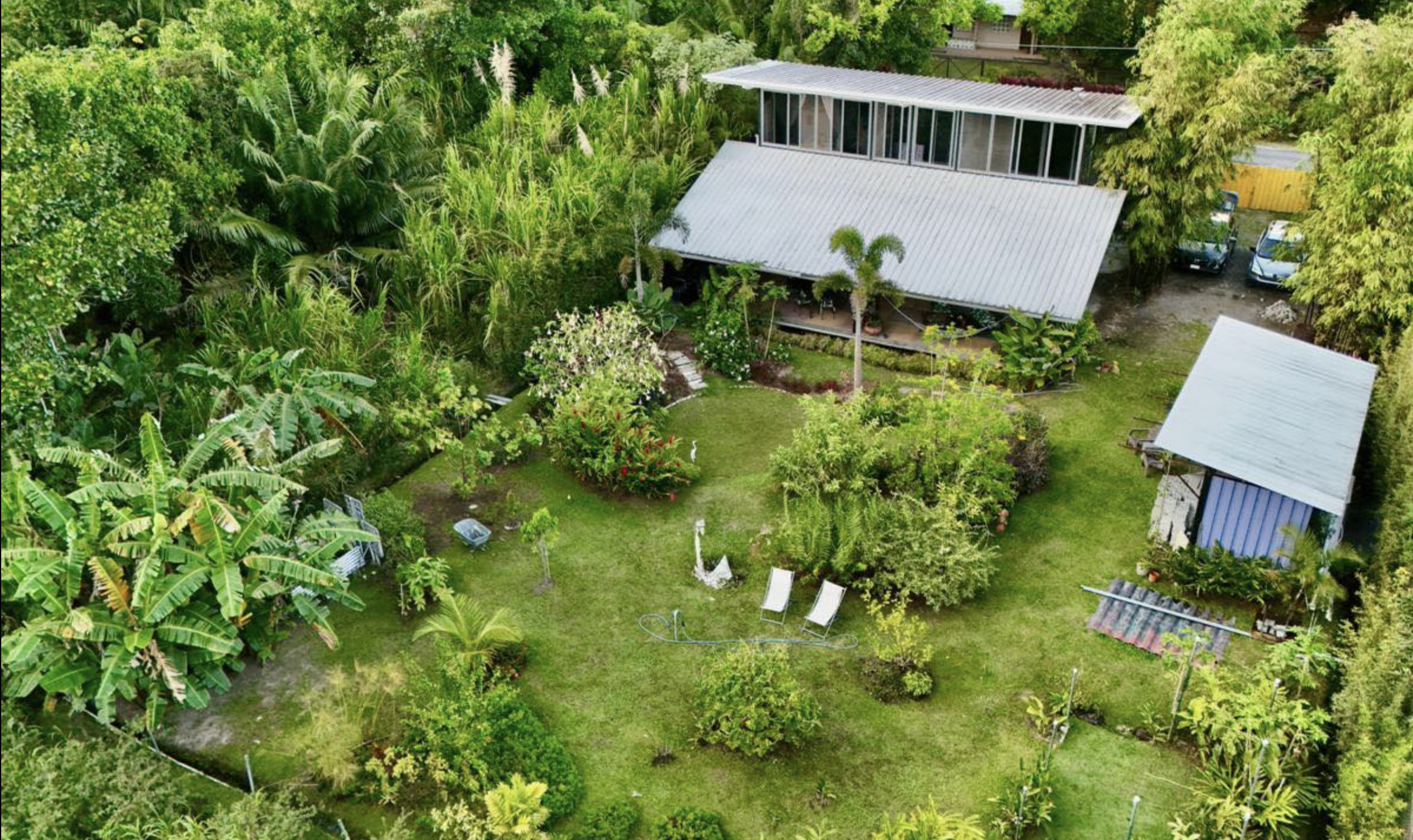
While I absolutely love my home and my garden, there’s a part of me that does enjoy traveling. Not just for a week or two, but really immersive travel where you can get to know the rhythm of a town and see familiar faces at the coffee shop or market.
When I sell my house, that chunk of money added to my savings will be enough to fully retire and live off the interest. At least I’m 85% sure of that. I’m using the wisdom of ChatGPT, financial calculators and trusted relatives who are wiser than I am when it comes to financial decisions.
FACTOR 2: GROWING OLD
I will be 62 next month. I’m blessed to be healthy and able-bodied. But last year I did have a health issue that got me thinking about how my life would look if I were in my 70’s and 80’s in my house, 2.5 hours away from private hospitals in Panama City. And I’m on my own - no partner or family to help me up if I’ve fallen or drive me somewhere if I needed care.
I concluded that it’s not practical to live so far from more comfortable medical care. I say comfortable and not ‘good’ because I felt that my care was mostly good through the public hospital system, but there were caveats; had the original hospital had an ultrasound technician to scan my gallbladder, I would have been admitted immediately. On my second trip to a different hospital, if I didn’t have to wait 9 hours to be admitted, I would have been given pain medication. Had the public system not been overloaded, I wouldn’t have had to wait 8 weeks for surgery.
Not to mention having to bring your own pillow, blanket, drinking water and earplugs to block out noise from 5 other patients and their families visiting 24/7. At 5 am on the morning of my surgery, I was told to shower. The shower had no hot water and I was given 2 bic razors and told to go shave myself in the cold water while each arm was connected to an IV pole.
After surgery, I drove myself to the pharmacy and back the bumpy road to home. I’m not one who easily asks for help. Yes, I could have, but that’s not who I am. Do I want to be 75 years-old and drive myself all the way to Panama City if I need a procedure, tests or a hospital stay?
The answer emerged: no.
I also asked myself how I felt about using the blessing of my health and ability just puttering in my house and garden? There’s a whole world out there. New sights, flowers as beautiful as the ones in my garden, flavors I crave but don’t know what they even are, interesting people to meet, cultures to learn about, paths to walk, sunsets to appreciate.
My newly formulating plan is to test this slow travel idea by renting out my house for a year and I will move into the casita with my cat, Feather. Then, I can get a pet-sitter to come watch her while I travel for a month or two and test out the idea. The rental income will cover my travel expenses.
Of course, I haven’t quite figured out what to do about Feather if I don’t have a home any longer, but I know there are solutions to everything.
This idea is definitely challenging me and my love of home, nesting, security, comforts I know, routine and simplicity. But I also know there’s the potential for tremendous personal growth if I choose the path of becoming a nomad.
"I feel a huge responsibility to anyone who's younger than me, in helping them take the road less traveled, or finding no road at all and blazing a new trail." ~ Sandra Bullock