How to Move to Panama the Right Way (what I’d do differently)
When I look back on my own journey of how I went through the process of moving to Panama, I can’t help but compare my decisions to other people who were a lot more informed and organized. A little confession; I was so naive I didn’t really know I’d have to apply for a residency visa. Embarrassing, yes, I know. Could have been the arrogance of being from the United States, we Americans have a tendency to think we’re entitled to things.
This article shares the basic steps but of course it’s advisable to consult with your immigration attorney or relocation advisor.
And while FaceBook groups can be a great place to get information, it is not the appropriate place to get reliable information on your immigration process.
🌍 Step 1: Determine Your Residency Path
Before making any international move, it’s important to understand how you will be able to stay legally in Panama.
The following are the most common residency options:
Pensionado Visa
Permanent Residency: The visa is valid for life, meaning no renewal of the residency status is required.
Income Requirement: You must show proof of a lifetime pension of at least $1,000 per month for an individual, or $1,250 per month for a couple. This must be from a government, private company, or bank annuity.
Reduced Requirement: The pension requirement reduces to $750/month if you purchase real estate in Panama valued over US$100,000.
No Age Limit: While designed for retirees, there is no minimum age requirement to apply, provided you have a permanent pension, social security or annuity.
Required Legal Representation: You must hire a Panamanian lawyer to submit the application to the National Immigration Service.
Mandatory Discounts (Law 6) partial list:
Entertainment: 50% off movie theaters, concerts, and cultural events.
Transportation: 25-30% off airline tickets and bus/train fares.
Health: 20% off doctor visits, 15% off hospital bills, and 10% off prescriptions.
Utilities: 25% off electricity, water, and telephone bills.
Tax Exemptions:
One-time exemption of up to $10,000 on household goods (must be imported within 6 months of moving).
Duty-free importation of a new car every two years.
Documentation: Required documents include a certified/apostilled birth certificate, marriage certificate (if applicable), and a police record (timing of documents matters - consult with the immigration attorney).
Processing Time: Typically takes 3–6 months.
Friendly Nations Visa
Provisional Residency: After 4–6 months of processing, you receive a 2-year provisional residency card.
Permanent Residency: You may apply for permanent status within 6 months before the 2-year provisional period expires.
Key Benefits: Work Authorization: Holders can apply for a work permit (MITRADEL) independently once provisional residency is granted. Dependents Included: One application can cover a spouse, dependent children up to 25, and parents.
To apply, you must be a citizen of an eligible country (e.g., USA, Canada, UK, most of Europe, Australia, Japan) and fulfill one of the following "Economic or Professional Ties":
Employment: A formal job offer or employment contract from a Panamanian company.
Real Estate Investment: Purchase of a Panamanian property (not pre-construction) with a minimum registered value of $200,000.
Fixed-Term Deposit: A bank deposit of at least $200,000 in a national bank, held for a minimum of 3 years.
Documentation: Valid Passport with at least 6 months of validity. Criminal Background Check Issued within the last 6 months, apostilled or authenticated by a Panamanian Consulate. Health Certificate issued by a local doctor in Panama within 90 days of application. Proof of Economic Ties: Job contract, Public Registry certificate for property, or bank certificate for a CD. Marriage and birth certificates (apostilled) for spouses and children under 25 (if they are full-time students).
The application must be filed through a licensed Panamanian attorney.
Processing Time: Typically is 4-6 months.
The Qualified Investor Visa
Fast-tracked permanent residency: Typically within 30 days of approval.
Key Benefits: Only requires visiting Panama once every two years to maintain residency. You can include dependents such as a spouse and minor children.
Key Investment Options (Minimum $300,000 - $750,000):
Real Estate: Direct purchase or pre-sale contract of real estate worth at least US$300,000, free of liens.
Stock Market: Purchase of securities through a licensed brokerage firm for at least US$500,000.
Fixed-Term Deposit: A time deposit of at least US$750,000 in the local banking sector.
Holding Period: Investments must be held for at least 5 years.
Digital Nomad Visa (short-term and extendable)
Income: Minimum $36,000 USD annually, or over $3,000 USD per month, evidenced by bank statements.
Employment: Must work for a company incorporated outside Panama or be self-employed with foreign clients.
Validity: Passport must be valid for at least 6 months.
Health Coverage: Valid medical insurance covering the entire stay in Panama.
👉 Each visa has different documentation, timelines, and costs. Choosing the right one early will prevent delays later.
What I would have done differently:
Well, that is a bit of a long story but basically I got my immigration attorney through the shady real estate broker I’d met. If I had a do-over, I would choose a reputable firm or individual after vetting 3-5 of the immigration attorney options.
My attorney was going through a personal crisis and I felt sorry for her. Big Mistake!! She spoke about personalized service but bailed out on accompanying me to the city for my immigration appointment. She asked me if I didn’t trust her when I asked for receipts of my CASH payments to her. She passed me off to an associate in the city who was 2 hours late to an important immigration meeting.
But, I’m pretty sure my cedula is valid and I’m here legally! Haven’t been arrested or kicked out, so that’s a good sign.
This article may contain affiliate links. If you choose to work with a service I recommend, I may earn a small commission at no extra cost to you.
Relocation involves paperwork that often needs to be prepared in advance.
Common requirements include:
Valid passport
Police clearance / background check
Proof of income or pension
Bank statements
Birth certificate (sometimes required)
Marriage certificate (if applicable)
👉 Many documents must be:
Apostilled
Translated into Spanish
Opening a bank account in Panama can be more complex than expected.
Requirements may include:
Reference letters
Proof of income
In-person application
Many expats:
Maintain foreign accounts initially
Use international banks or services
👉 Plan ahead to ensure access to funds during your transition.
💰 Step 2: Understand the True Cost of Moving
Many people underestimate the upfront costs of relocation but you have to factor that into the equation.
Typical expenses include:
Flights, temporary accommodations, rental car or car purchase
Visa and legal fees
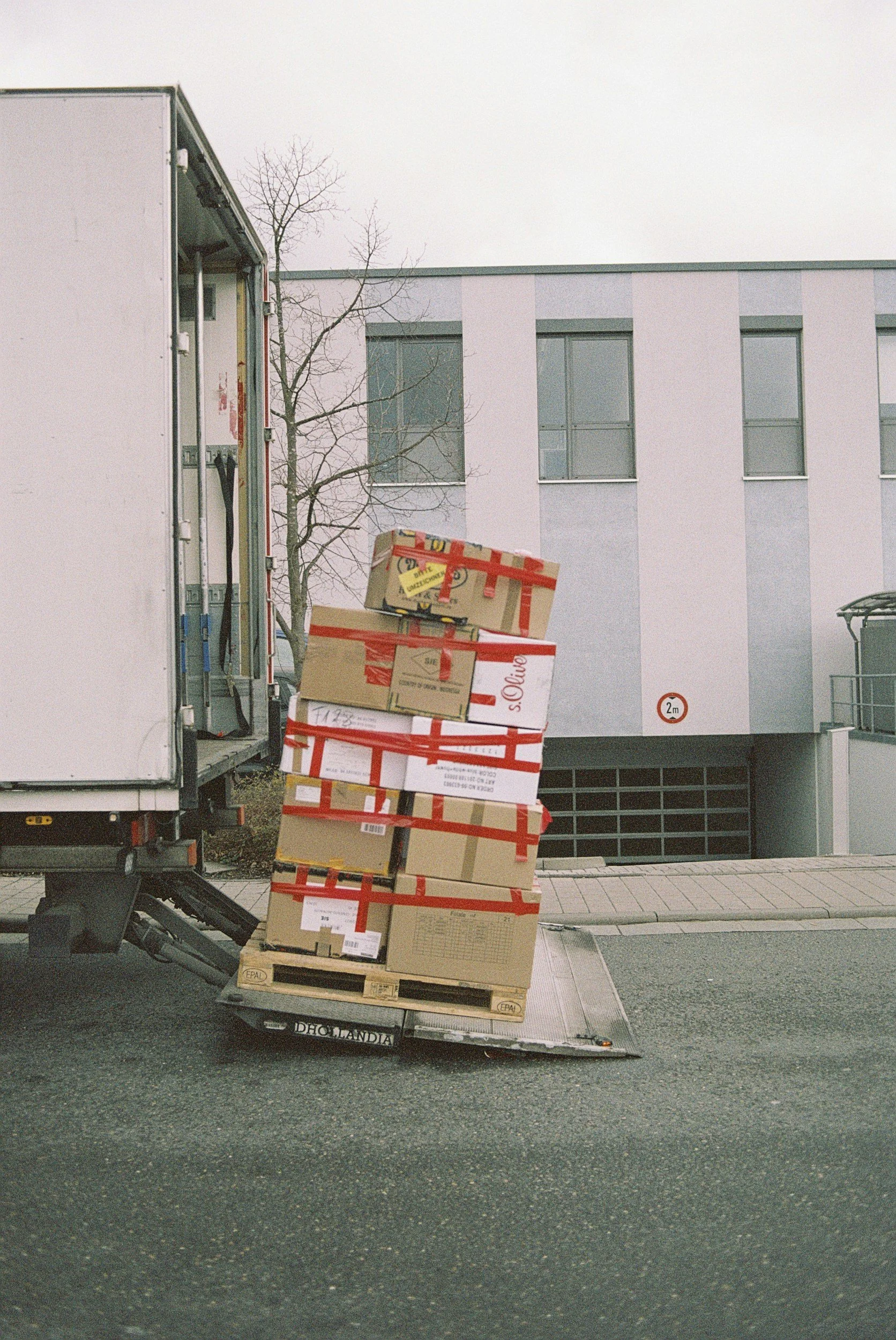
Shipping boxes, pallets or a container
Household furnishings in new dwelling
Deposits for rentals
Storage Unit
Health insurance
👉 While Panama is often more affordable than the U.S. or Canada (though not all agree!) the initial setup phase can be costly.
I wouldn’t do anything differently than I did. I knew about the costs to obtain my residency and to ship my 2 hand-packed pallets.
🏡 Step 3: Choose the Location Right for You
For a small country, Panama offers a wide range of living environments. They all vary in services, amenities and infrastructure. I highly recommend staying for a few months in each location you’re considering before making any final decisions. You can store your belongings in Panama City while you rent furnished accomodations.
What I would have done differently:
Some people arrive to one location and make that their home immediately. If I had done that, I’d be living in a condo in Gorgona.
Even though I lost my $5,000 deposit on the condo, it ended up being the best thing for me because I realized that I couldn’t take the heat at the beach. What I thought would have been my dream - an ocean view condo ON the beach - turned out to be part of an older paradigm, not the version of myself I was becoming in Panama.
When you arrive in Panama, there is a 3-6 month honeymoon stage where everything feels exciting and those feel-good neurochemicals are flowing freely. Don’t make any major decisions until after the honeymoon stage fades.
What I ended up doing after the real estate deal fell through was house and pet sit in different locations around Panama. It was exactly what I needed to do in order to experience different locations and evaluate what was best for me.
I love living in a cooler mountain climate in a small town that has shops, grocery stores, restaurants and a great community.
🏠 Step 4: Renting vs Buying
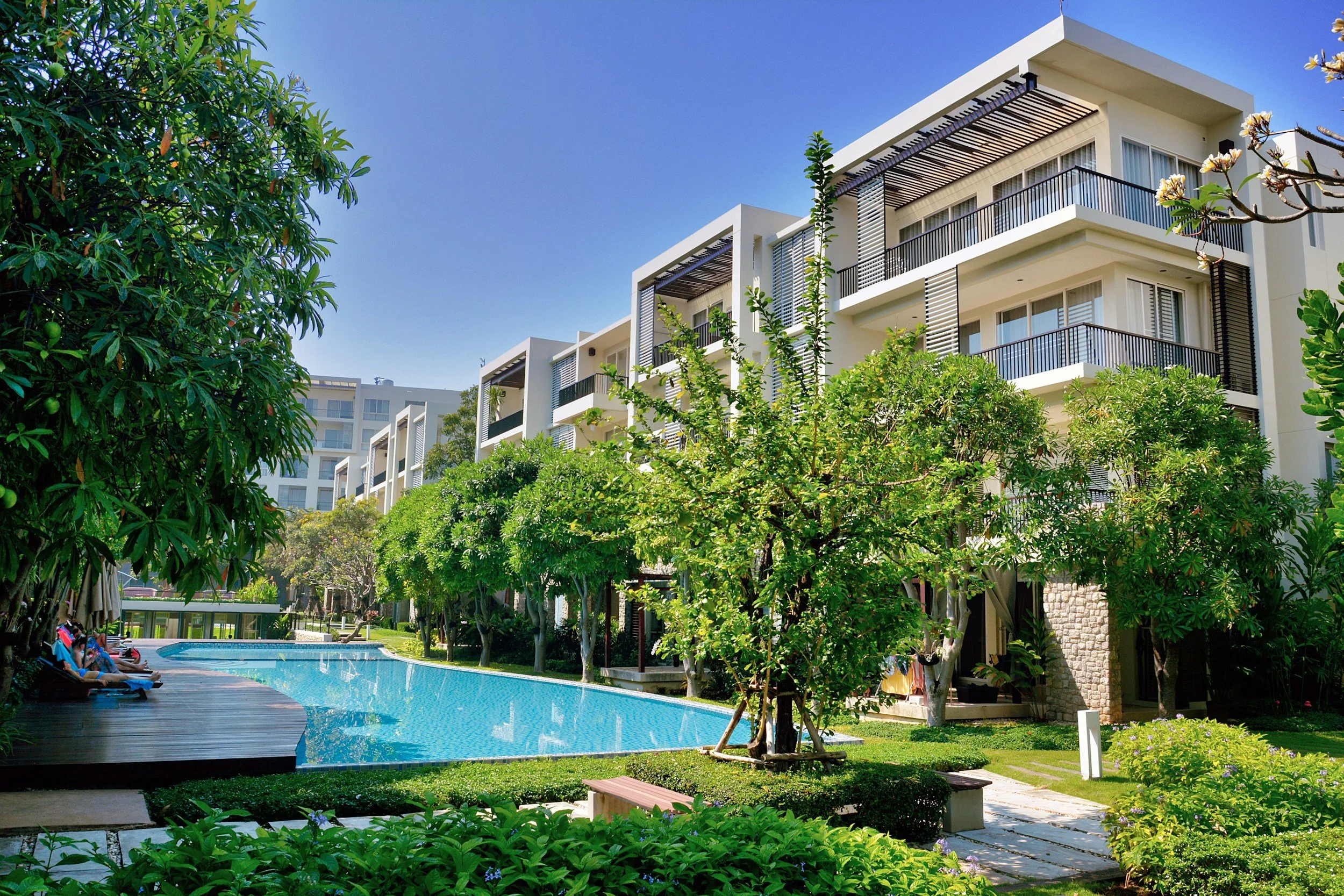
Most relocation experts recommend renting before buying. And many real estate brokers recommend buying, immediately - prices are going up, this deal will be gone in a week, it’s a seller’s market, this is under market value, my vacation plans need cash!
Renting allows you to:
Test different provinces and neighborhoods
Understand firsthand the climate and lifestyle differences
Avoid rushed and costly decisions
Buying may make sense if:
Your residency visa is tied to a real estate purchase
You’re already familiar with the area
You don’t need financial liquidity
You understand local property laws and the difference between titled property and ROP (rights of possession)
What I would have done differently:
I would NOT have rushed into buying a condo on the beach, as seductive as the idea was. At that time I thought condo living would be easier and safer and I’d get to live on the beach, something I could not have afforded in the US.
Buying is easy. Selling property in Panama (depending on the location), can take years. I would have lived in different areas for 3 months at a time then rented for at least a year in the area where I wanted to buy.
👉 Panama does allow foreign ownership, but due diligence is absolutely essential. Some bad actors don’t own or have the right to sell property. A reputable real estate attorney is your best protection.
🏥 Step 5: Plan for Healthcare
Panama has both public and private healthcare systems and the access, quality and comfort vary greatly.
Private Healthcare:
Affordable compared to the U.S.
High-quality facilities in major cities
Insurance options:
Local private insurance
International insurance plans
Veteran’s and Medicare Part B options (ask your relocations advisor or insurance broker)
Public Healthcare:
Public healthcare in Panama is a two-tiered system that provides basic services to citizens and foreign residents. It is primarily operated through the Social Security Fund (CSS) for employed individuals and the Ministry of Health (MINSA) for the unemployed or uninsured.
Foreigners can use MINSA facilities on a pay-as-you-go basis for very low costs
Longer wait times, crowded, very basic hospital accommodations (no hot water, bring your own pillow, must have a blood donor)
By law, many doctors working in the private sector must also work in the public system, ensuring a high level of medical expertise in public hospitals.
Regional Disparities:
Healthcare in Panama is heavily concentrated in Panama City. While cities like David have decent facilities, rural areas often have limited access to specialists and emergency care.
👉 Understanding your healthcare access is essential before moving.
What I would have done differently:
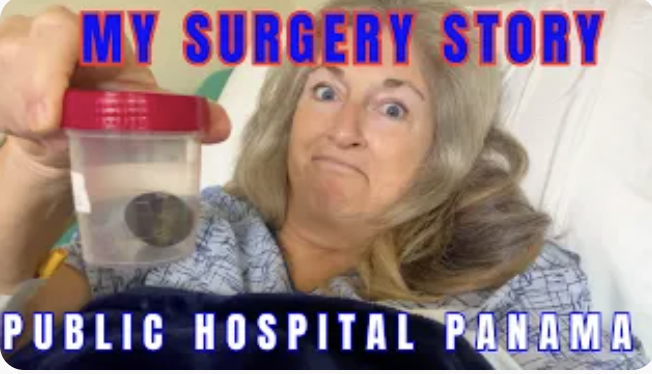
I figured I’d pay as my needs came up regarding healthcare. And that worked fine . . . for a while. I paid for general physicals, gynecology exams and paid for dental check ups out of pocket. And the appointments were easy to get and inexpensive. But after 6 years of being incredibly fortunate, I finally learned the value of having health insurance when I needed surgery.
I have a few videos on my YouTube Channel about my experience, but in summary, while the care I got was mostly good, it took a longer period of time for me to get admitted to the hospital than it would have in a private hospital. And the public hospital was bare bones. Bring your own pillow and blanket, toilet paper, drinking water and bring earplugs - 6 people in a room with their relatives visiting all night can be noisy.
And for my surgery prep? I was instructed to get in the shower (only cold water) and shave myself while both arms had IV connections.
You absolutely can use a private hospital without insurance but that comes at a higher price tag. My laproscopic gallbladder removal was $149.50 in the public hospital for a 2 night stay. In the private hospital it would have cost $5,000. Not bad, but I really didn’t want to spend that kind of money in a hospital.
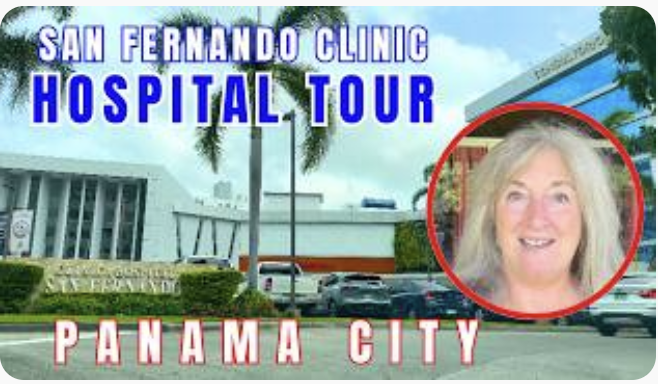
I should have obtained health insurance sooner and understood that private hospitals are mostly in the city of Panama.
📦 Step 6: Plan Your Move Logistics
Start purging your stuff as soon as possible! Moving to a new country is an opportunity for personal growth. If you’re not just trying to replicate your existing life, purging belongings and being willing to part with material possessions is an important step in that journey.
Some things will be non-negotiable to bring with you. For me, it was my mother’s oil paintings. But to pack the larger canvases, I removed them from the wood frame and rolled them. I stored things in Panama at first in a non-climate controlled unit but when I noticed mildew forming, I switched to a climate controlled unit to mitigate the humidity.
One of the hardest things to part with were the amazing art books that had been in my mother’s collection. Books are heavy and they don’t do well in the climate in Panama unless you are in AC or have a designated ‘dry-room’.
Shipping belongings costs money vs. traveling light
Temporary housing vs. long-term rental / temporary storage until you decide
Bring tools, special kitchen items, gardening tools (less availability/quality in Panama)
👉 Many people start with a furnished rental before committing to a permanent setup.
I would not have done anything differently. I packed and shipped 2 pallets.
🚗 Step 7: Buy a Car?
Buying a car can be a daunting task in Panama. You don’t know who to trust and there is a mountain of paperwork and visits to several municipal offices in order to register the car and get a Panapass (to drive on some of the toll roads).
Depending on where you live, you may decide to rely on public transportation:
Panama City: public transport, Uber, taxis widely available
Rural areas: a car is often necessary
Importing a vehicle is possible but involves:
Shipping costs
Import taxes
Lengthy paperwork
👉 Many expats choose to buy a car locally instead because parts for your car may not be available or a mechanic may not be familiar with a vehicle manufactured for the US or Canada.
What I would have done differently:
While my car buying experience was good, dealing with my car insurance broker was a whole different story. Too long to go into here, but take these thoughts with you from the lessons I learned:
Insurance brokers are NOT full service - think of them as sales people
You can easily purchase car insurance online, skip the broker
Track your renewal timing on your own
Consider using a ‘fixer’ to handle your annual registration
🤝 When to Consider Professional Help
Relocating internationally involves:
Legal processes
Cultural differences
Administrative steps
Many people choose to work with Start Abroad’s Concierge services for Panama:
Legal fees for processing and management of Temporary Residency Visa Application for Main Applicant
Rental search and/or real estate support
Exploratory trip planning (if needed)
Bi-weekly touchpoints with your dedicated relocation specialist
Access to relocation experts anytime during business hours via our Concierge Client Line
Tax and banking advisory
Airport pick-up
Phone and mail guidance
Medical planning + health insurance support
Pet relocation support
Car purchase / car rental support
👉 If you want guidance through the process, you can explore concierge relocation support here: Start Your Move Abroad
⚠️ Common Mistakes to Avoid
Many relocation challenges come from avoidable decisions:
❌ Choosing a location too quickly
❌ Underestimating bureaucracy and timelines
❌ Not budgeting for initial costs
❌ Buying property too early
❌ Assuming everything works like your home country
👉 Taking time to research and plan can prevent costly missteps.
🧭 Final Thoughts
Moving to Panama can be one of the most rewarding decisions you make, but doing it the right way requires preparation, patience, and realistic expectations.
Taking the time to:
Understand your residency options
Choose the right location
Plan your finances
Avoid common mistakes
…will set you up for a smoother transition and a more successful experience abroad.
📚 Sources for this Article:
Government / Official
Panama Immigration (Servicio Nacional de Migración)
Embassy of Panama (varies by country)
Expat / Relocation Info
International Living
Live and Invest Overseas
Expat Exchange
Legal / Residency
Panama law firms specializing in immigration (e.g. Kraemer & Kraemer, Legal Solutions Panama)
Cost of Living Data
Numbeo
World Population Review